Scope Is The Steering Wheel


This stuck in my craw at the time Patrick published it but I didn’t have the energy to respond. Now, with the ever-increasing, genie-fueled emphasis on speed, it deserves a second look. Among its several flaws as a statement is that it misses one point that XP got right, a point that’s become leveraged.
I’ll start gently, addressing the OP directly.
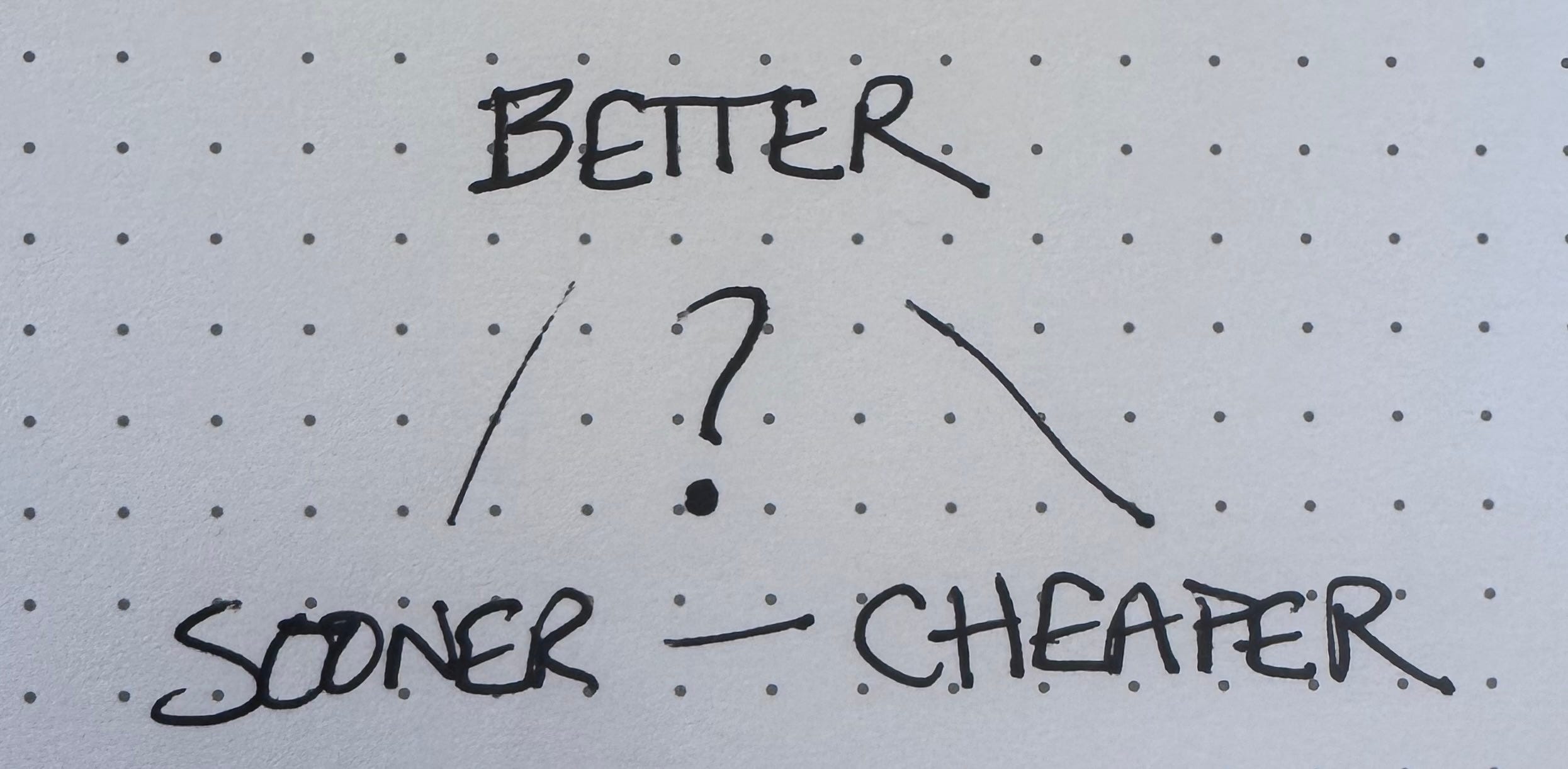
Responsibility
I don’t like the tone. Who exactly hired The Slow (may as well be honest & capitalize)? Who created the incentive system in which they operate?
Take responsibility for your part in the situation you describe. You’re not above it all. If you’re going to be judgmental, judge everyone. Or follow the not-a-Walt Whitman quote and, “Be curious, not judgmental.”
This quarter’s newsletter is brought to you in partnership with WorkOS.

WorkOS is the infrastructure B2B and AI-native companies use to sell to enterprise. It covers everything enterprise security requires: SSO, SCIM, RBAC, Audit Logs, AI governance, and more. Engineering teams ship it in days. Trusted by 2,000+ fast-growing companies, including OpenAI, Anthropic, Cursor, and Vercel.
Slow & Expensive Do Go Together
There’s reasons slow & expensive go together. I have connections to the design world. If you fly a team of nth generation carpenters in from Paris to build your cabinets on-site, it’s going to be expensive & it’s going to take time.
“Slow+expensive” has become decoupled from “valuable” in the situation you describe. Part of the investment was much more valuable than other parts. If you can just make the valuable investment & defer the rest, yes, you win.
Compressibility
“Lopping a year off the schedule” works until it doesn’t. Here’s your intention:
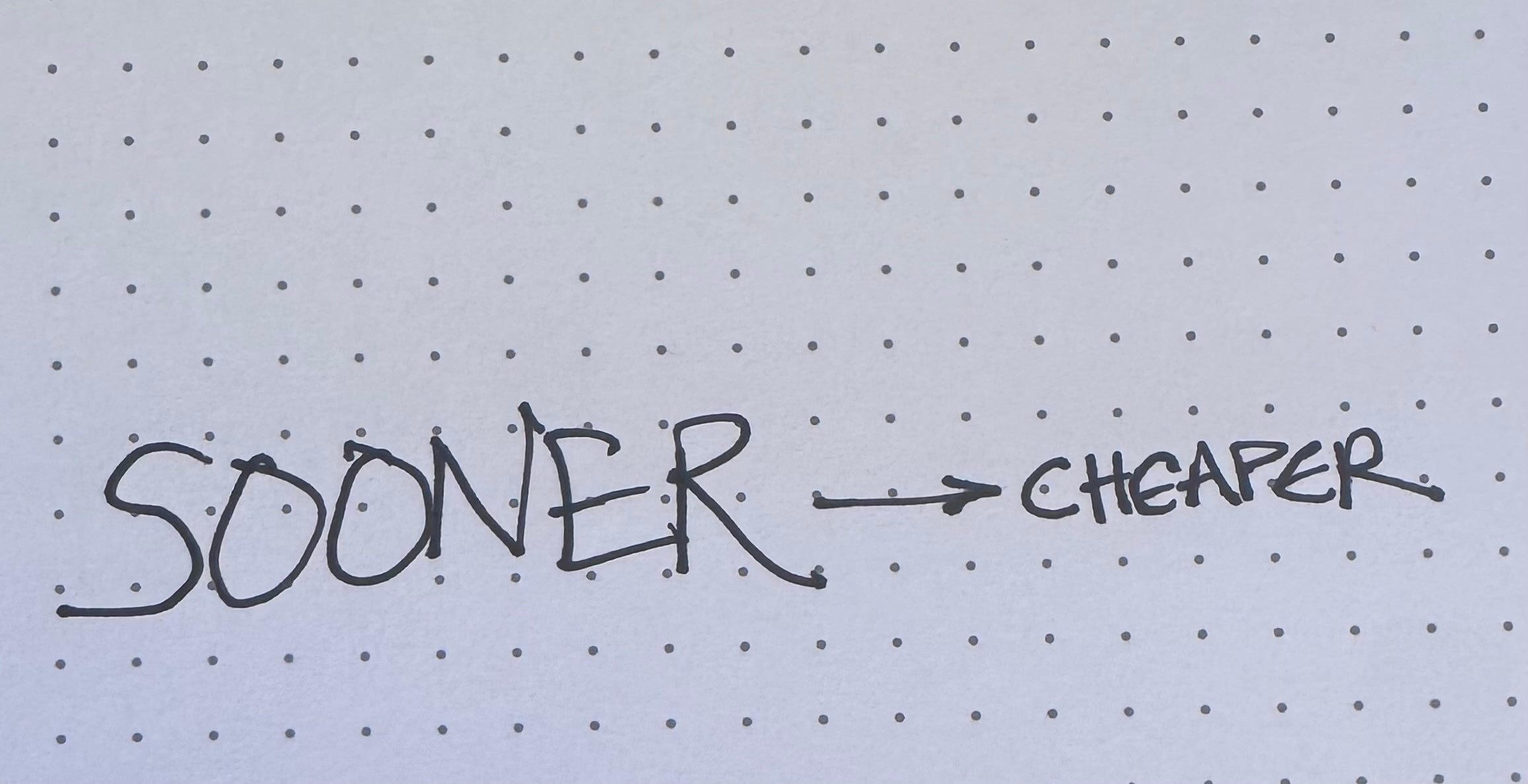
There’s a second order effect, though. Eventually you cut corners that bite back. When that happens, you lose control of time & cost.
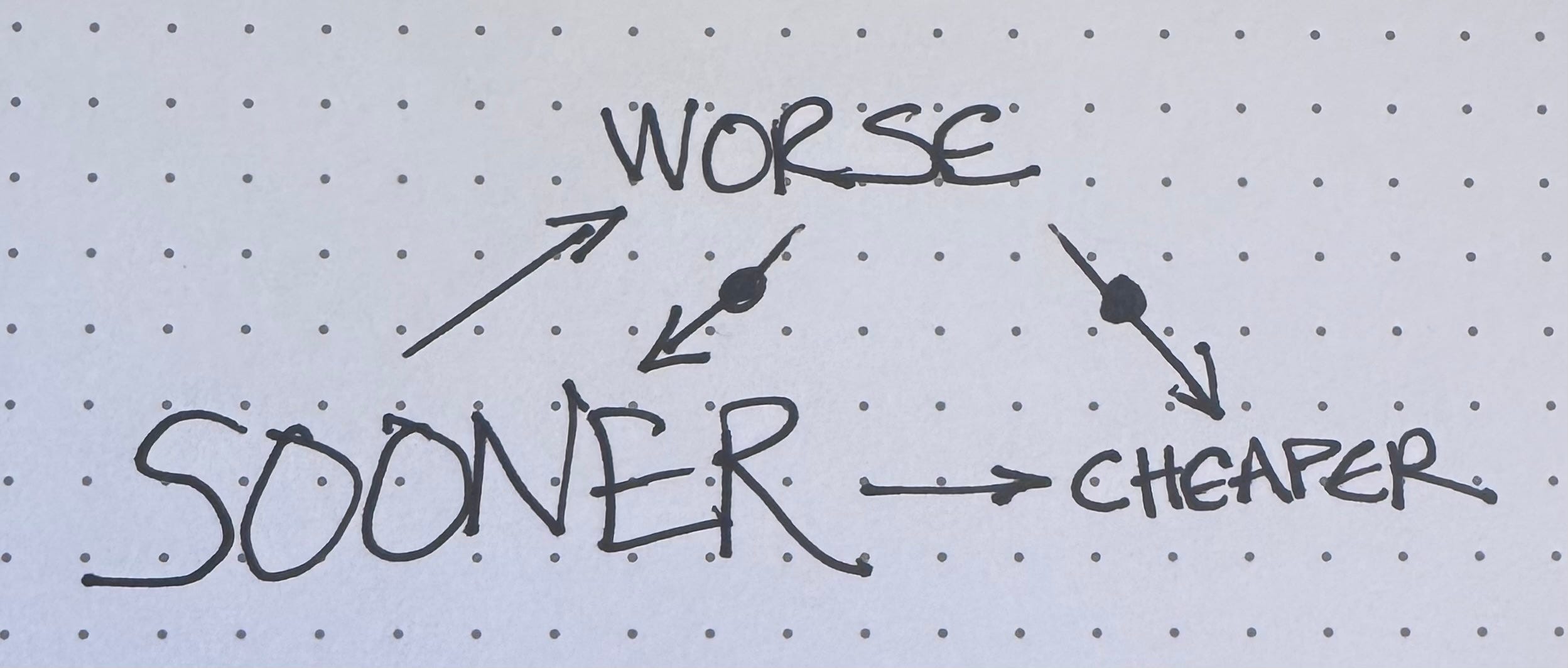
Now The Slow have incentive to lie to you about progress. They’re caught in a Catch-22, no-win situation. The optimal strategy for The Slow is to hunker down, spend most of their time keeping their noses above water, & hope your attention passes on before they get fired.
But wait, there’s more! Nobody likes being in a no-win situation, so The Slow will inflate estimates, estimates they know you will slash. Now nobody knows anything about the project.
Scope
The missing concept is scope. You want a system that meets the following goals? Okay, how much of which goals first?
All of all the goals? Now you’ve created the perfect breeding ground for The Slow. And you did it. They aren’t “The Slow”. They are responding to your incentives.
Okay, how about this much of this goal & that much of that goal & more later. Now you get sooner, cheaper, & better. Nobody is compressing the incompressible. The system remains transparent & in control.
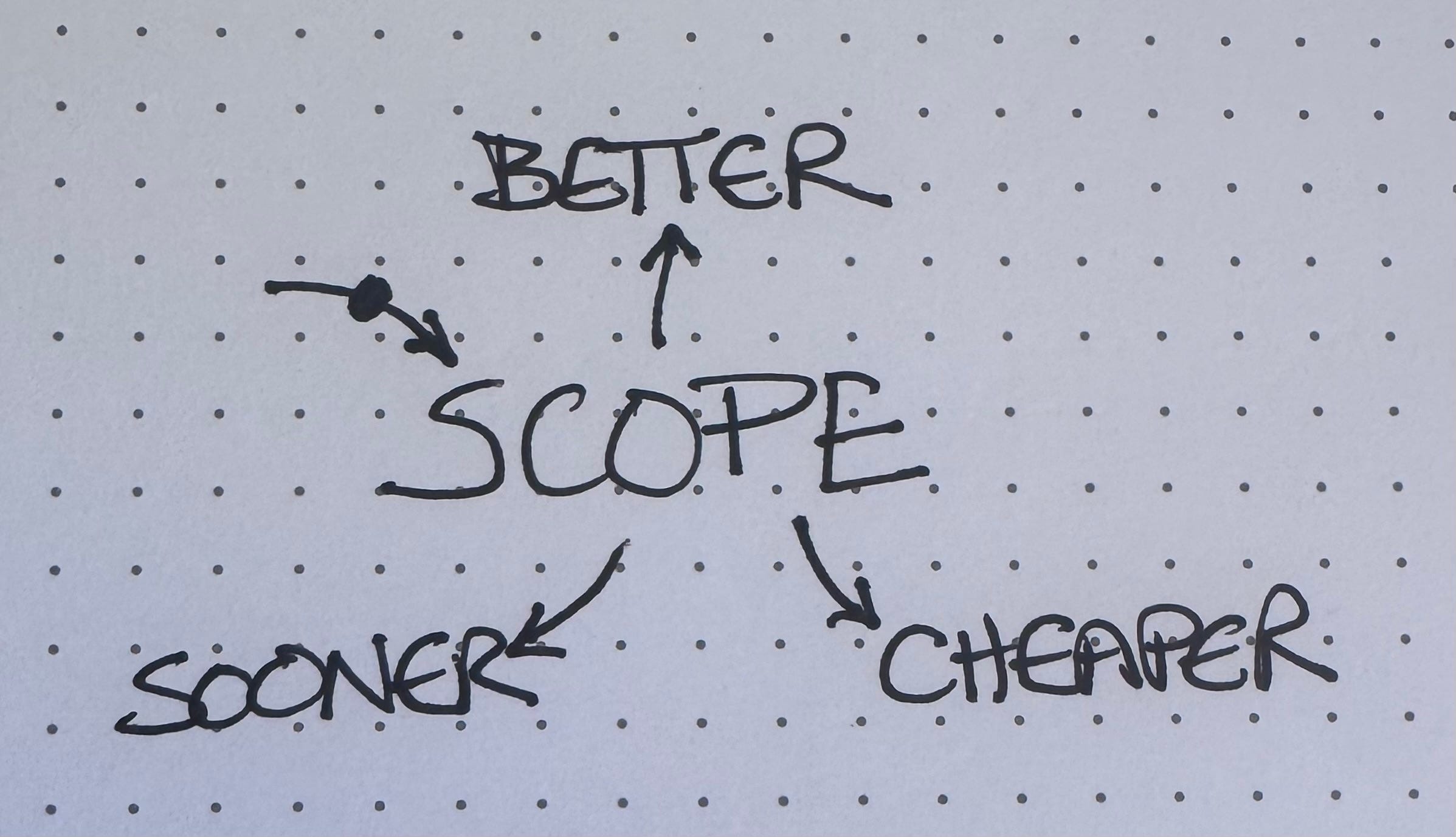
And because we navigate an uncertain & rapidly changing landscape, cutting scope generates more feedback sooner, leading to less waste & higher concentration of value.
Wrap Up
You’re right that sooner & cheaper are connected. You’re right that projects often start over-scoped, that much investment isn’t concentrated on value.
I disagree with your characterization of your intervention as “adding a temporal constraint”. The many times I’ve seen this done well what happens is that folks are forced to make priority decisions they wouldn’t otherwise make. (Lots to say about why this deferral happens.) Tearing out calendar pages is the trigger making those scope decisions inescapable.
The original poster is thinking in three dimensions, you are thinking in four.
💯💯💯